
Australia’s central bank, the Reserve Bank of Australia, enjoys a pretty strong international reputation for the quality of its economic research and analysis and its competency in managing monetary policy.
It has lost some of that shine in recent years, not least for the unforced error of providing long-term interest rate guidance that got blown out of the water by the pandemic and subsequent surge in inflation and rates.
It is also facing increasing heat for doggedly holding the official cash rate up when other central banks, most notably the US Federal Reserve, have begun to bring theirs down.
Critics argue that the delay in easing monetary policy risks crushing the economy – a line of attack that was undermined somewhat last week by employment data showing the jobs market remains tight.
The RBA has been going about its day job while simultaneously implementing a suite of changes recommended by the recent RBA Review.
The most visible of these have been in the number of Board meetings it has and the way it communicates with the public.
From the outside, the shift to eight two-day meetings a year (down from 11 one-day meetings) has been seamless, as has the commencement of RBA Governor media conferences following each meeting.
But one of the biggest structural changes – the split of the functions of the current RBA Board into two separate Boards, one focussed on RBA governance/operations and the other solely on setting monetary policy – has become politically marooned after the Opposition decided against supporting the change.
The Dutton-led Coalition’s turn away from bipartisanship on the reform is in step with concerns raised by some former RBA governors, including Ian Macfarlane and Bernie Fraser.[1] Macfarlane has objected to the idea that “six part-timers” could set monetary policy under the change.
He claimed that, “Australia would have the only central bank in the world with a decision-making structure like that. This is placing a lot of faith in the part-timers.”
But that is not quite the case.
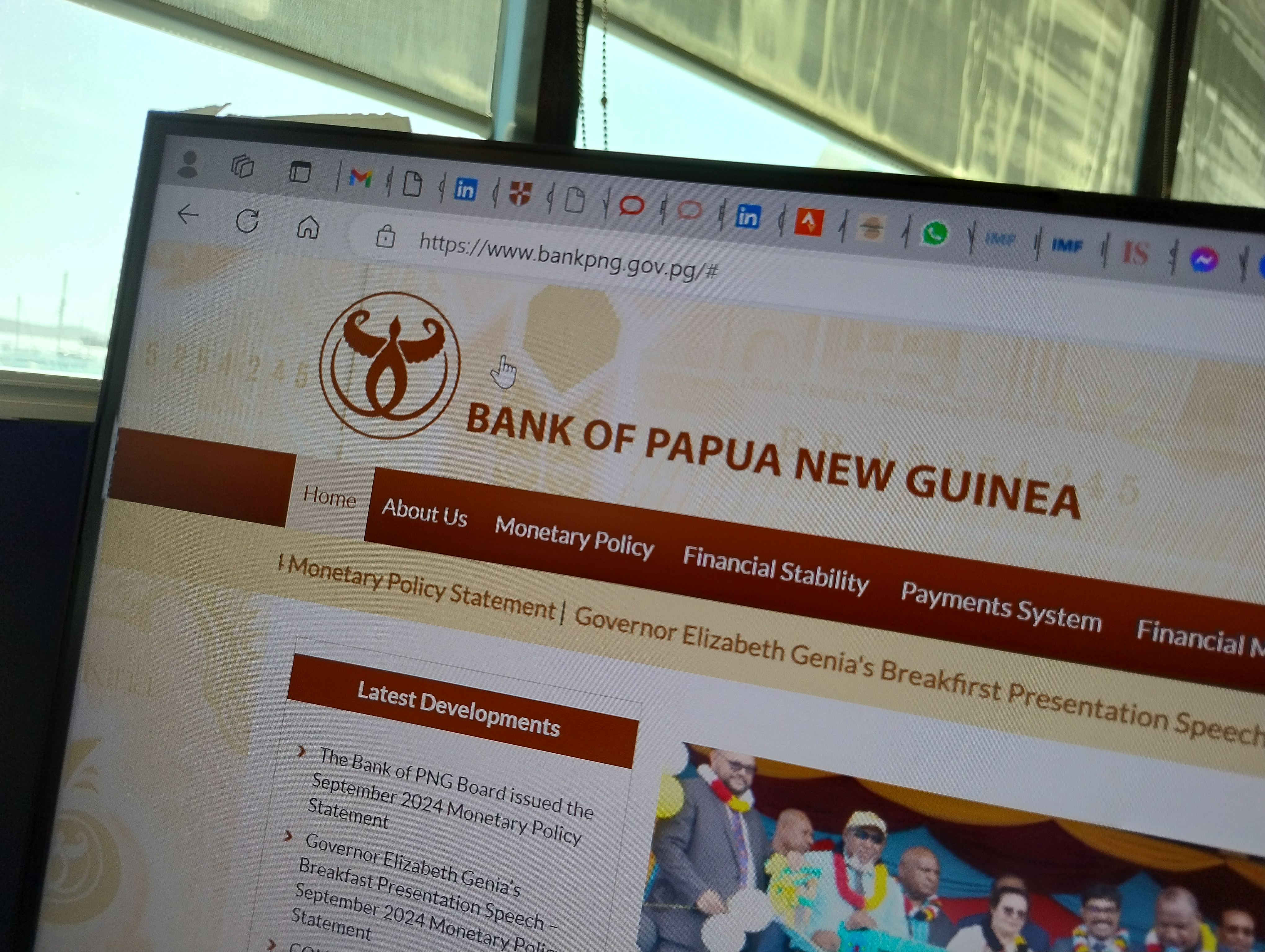
Papua New Guinea has just unveiled reforms to its central bank that include the creation of a specialist five-member Monetary Policy Committee[2]. The change, undertaken at the behest of the International Monetary Fund (IMF), means setting monetary policy will no longer be the sole responsibility of the Bank of Papua New Guinea (BPNG) Governor, but will instead be set by a group including the Governor, the Deputy Governor and three ex-officio members.
Under the changes, the ex officio members will in effect be appointed by the Treasurer and the National Executive Committee (PNG’s equivalent of the Cabinet). One has to be a non-PNG resident recognised as a monetary policy expert while the remaining two have to be PNG residents but do not need monetary policy expertise.
In a further boost to transparency, a Monetary Policy Statement setting out how committee members voted and the rationale for their vote is to be issued following each meeting.
Appointing the Monetary Policy Committee and ensuring it has the right mix of expertise and experience will be a challenge.
But, announcing the change, BPNG Governor Elizabeth Genia said the new arrangement would, “facilitate more robust discussions and decision-making processes in our monetary policy framework”.
The IMF has welcomed the reforms, which it says have “significantly improved the mandate, governance, and autonomy of the BPNG”.[3]
While Australia’s policymakers struggle to agree on reforms to the RBA, in Port Moresby they are just getting on with it.
[1] RBA interest rates board: Ian Macfarlane, Bernie Fraser, Philip Lowe oppose Jim Chalmers’ move to abandon current board structure
[2] Central Banking Amendment Bill 2024.pdf
[3] IMF Reaches Staff-Level Agreement with Papua New Guinea on a Resilience and Sustainability Facility (RSF) Arrangement and the Third Reviews Under the Extended Credit Facility and the Extended Fund Facility
 Outlier